
The Attraction of Risk and Reward
One of the primary psychological factors influencing casino game choices is the human attraction to risk and reward. Gamblers often find themselves drawn to high-stakes games because of the potential for significant payouts. This allure is rooted in the psychology of thrill-seeking, where individuals experience a rush from the possibility of winning big, despite the inherent risks involved. This phenomenon taps into the brain’s reward system, releasing dopamine when players win, which can create a cycle of repeated play in pursuit of that high. Additionally, many players are curious about new betting sites that offer unique gaming experiences, which can further fuel their engagement.
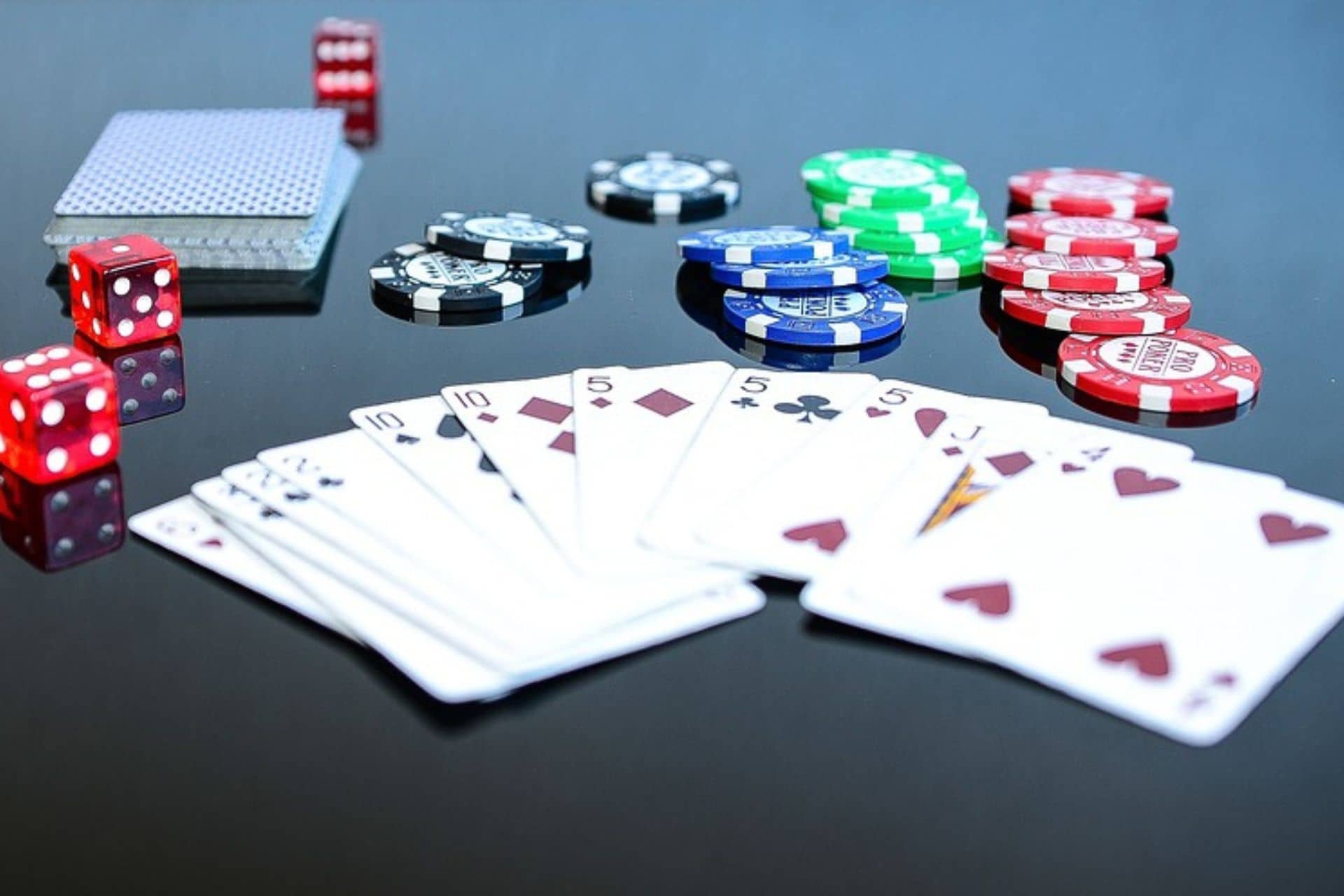
Moreover, different individuals have varying thresholds for risk, influenced by personal experiences and personality traits. Some may prefer games like poker, where strategy and skill play a pivotal role, while others are more inclined toward slot machines, where outcomes are purely based on chance. Understanding these preferences can reveal deeper insights into how individuals approach gambling and their willingness to engage in high-risk scenarios.
The Role of Game Design in Decision-Making
Casino games are meticulously designed to engage players and encourage prolonged interaction. Elements such as vibrant graphics, immersive sound effects, and the availability of various game formats all contribute to how players perceive and choose games. The design often employs psychological tactics, like near-miss scenarios, which can create an illusion of control and likelihood of winning, keeping players invested even when they are not winning consistently.
Additionally, familiar games that evoke nostalgia or social interaction, such as blackjack or roulette, can influence choice. These games often feature a communal aspect, allowing players to share experiences with friends or strangers, thus enhancing the overall enjoyment and appeal. This social psychology reinforces the idea that gambling can be a shared experience, further solidifying a player’s attachment to specific games.
The Impact of Emotions on Game Selection
Emotions play a crucial role in influencing casino game choices. When individuals are in a heightened emotional state—whether due to stress, excitement, or even boredom—they may gravitate towards certain games that fit their emotional needs. For instance, someone seeking an adrenaline rush might choose fast-paced games, while others may prefer more calm and strategic games when seeking relaxation.
Moreover, gambling can serve as an emotional outlet, allowing players to escape their daily lives temporarily. This emotional connection can lead to a deeper investment in specific games, making them more than just a means to win money but a form of entertainment and coping mechanism. Understanding how emotions dictate choices can help casinos better tailor their offerings and enhance the player experience.
The Influence of Cognitive Biases
Cognitive biases significantly shape gamblers’ perceptions and choices within the casino environment. The illusion of control, for example, leads players to believe they have more influence over random outcomes, such as in games of chance. This is particularly prominent in games like slot machines, where players might think their betting patterns can sway the results, despite the random nature of the games.
Additionally, biases such as the gambler’s fallacy, where players believe that past outcomes influence future results, can affect game selection. These biases can lead to illogical decisions, such as continually playing a game in hopes that a win is “due.” Understanding these cognitive biases is essential for both gamblers and casino operators to foster responsible gaming environments and enhance player awareness.

Connecting with Wellness through Responsible Gaming
At Triadtowellness.com, the focus on wellness extends beyond physical health to encompass mental and emotional well-being. Understanding the psychological factors behind gambling choices can aid in promoting responsible gaming practices. By fostering awareness of the psychological aspects of game selection, individuals can engage more mindfully with casino experiences, balancing enjoyment with self-regulation.
The platform emphasizes the importance of security and mental health in the gambling landscape. By providing resources and insights into the psychology of gambling, Triadtowellness.com supports users in making informed choices, ensuring a safer and more rewarding engagement with casino games. This approach highlights the interconnectedness of well-being and leisure, encouraging a holistic perspective on gambling as part of a balanced lifestyle.